
“Peace is costly, but it is worth the expense.” — African Proverb
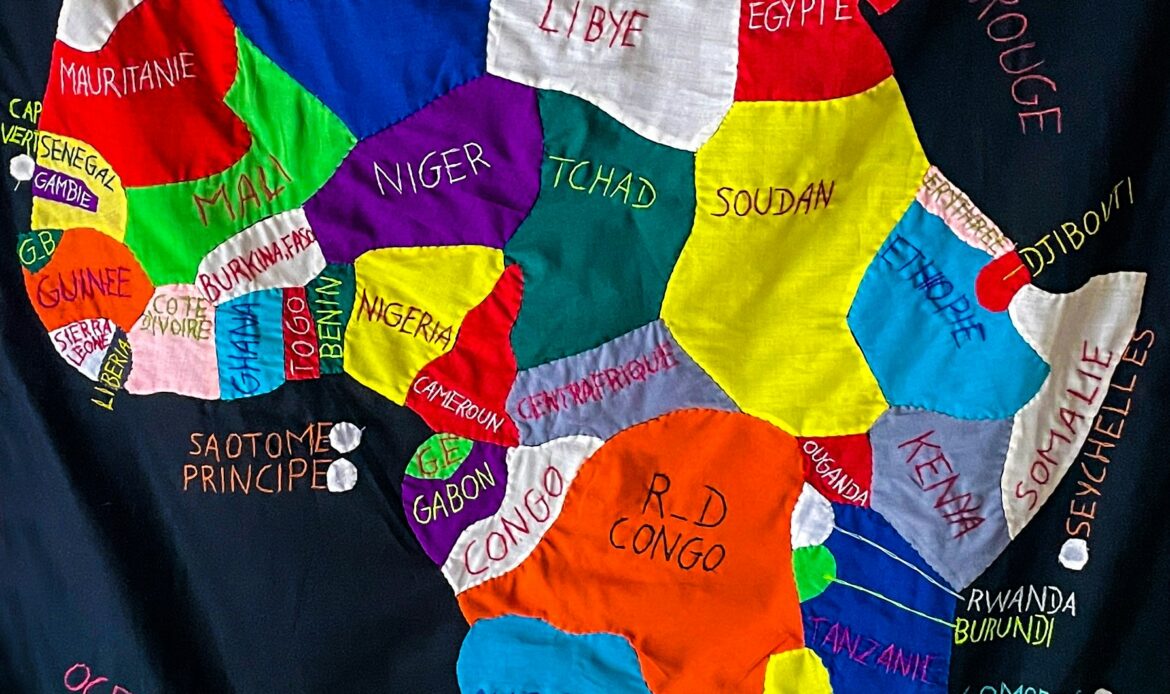
Africa has long been a continent of paradox—rich in natural resources yet plagued by conflict. From the war-torn regions of the Sahel to political unrest in East and Central Africa, instability continues to hinder progress. While various peace agreements and ceasefires have been signed over the years, sustainable peace remains elusive. The question remains: how can Africa break free from the cycle of violence and build a future of stability?
- Understanding the Root Causes of Conflict
Conflict in Africa is often driven by ethnic divisions, political power struggles, economic disparities, and resource competition. For example, in the Democratic Republic of Congo (DRC), conflicts over minerals such as cobalt and coltan have fueled violence for decades. According to the United Nations Development Programme (UNDP), nearly 40% of conflicts in Africa are linked to natural resource disputes. Without addressing these fundamental issues, peace efforts will remain temporary.
- The Role of Governance and Leadership
Weak institutions and corrupt leadership have also played a role in prolonging conflicts. Many African nations struggle with authoritarian rule, election rigging, and lack of accountability. Countries like South Sudan have seen peace agreements collapse due to power struggles among political elites. Strong democratic institutions, transparency, and inclusive governance are critical for sustainable peace.
- Economic Development as a Tool for Peace
“An empty stomach does not hear a word of peace.” — African Proverb
Poverty and unemployment, especially among youth, make armed groups an attractive option for survival. The World Bank estimates that over 60% of Africa’s population is under 25, yet many lack employment opportunities. Investing in education, job creation, and entrepreneurship can reduce youth involvement in violence. A strong economy creates stability, as seen in countries like Rwanda, where economic reforms helped rebuild a nation scarred by genocide.
- The Role of Regional and International Cooperation
Organizations like the African Union (AU), ECOWAS, and the United Nations (UN) play a vital role in conflict resolution. However, their efforts often fall short due to political interference and lack of enforcement power. The AU’s Silencing the Guns by 2030 initiative aims to end conflicts on the continent, but progress has been slow. Strengthening regional partnerships and enforcing peace agreements can lead to long-term stability.
- The Importance of Community-Led Peacebuilding
Local communities must be at the forefront of peace initiatives. Traditional conflict resolution methods, such as mediation by elders and truth and reconciliation commissions, have been effective in countries like South Africa and Rwanda. Grassroots organizations working in post-conflict areas have demonstrated that peace is more sustainable when communities take ownership of the process.
In conclusion, Africa’s road to sustainable peace is not an easy one, but it is necessary for the continent’s future. Addressing the root causes of conflict, promoting good governance, investing in economic development, and strengthening regional partnerships are crucial steps. As the African proverb reminds us, peace comes at a cost, but the alternative—endless cycles of violence—is far more expensive. The time for action is now; Africa must commit to building a future where peace is not just an aspiration but a reality.
Noah Ajare Esq