
“If you want to go fast, go alone. If you want to go far, go together.” — African Proverb
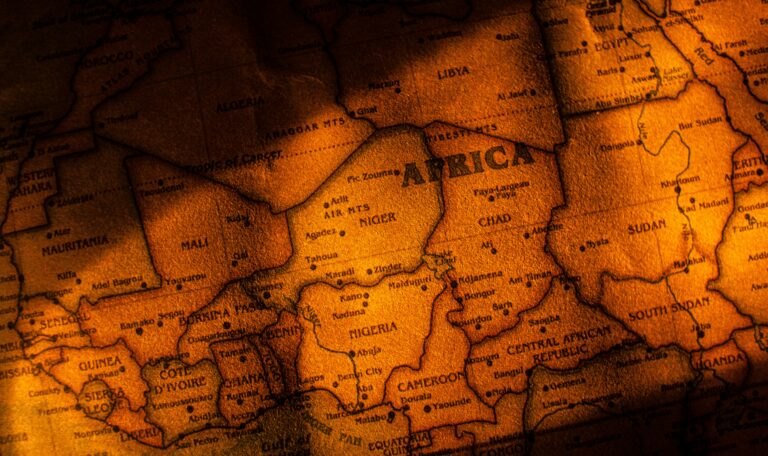
For decades, African economies have relied heavily on external trade partnerships with Europe, Asia, and America while neglecting the vast opportunities within the continent. Intra-African trade—the exchange of goods, services, and resources between African nations—holds the key to regional development, industrial growth, and economic self-sufficiency. With initiatives like the African Continental Free Trade Area (AfCFTA), Africa stands at a turning point. The question remains: Will African nations seize this opportunity to transform the continent, or will historical trade patterns continue to hinder regional progress?
- The Reality of Africa’s Trade Dependency
Africa is rich in natural resources but remains a net importer of processed goods. Historically, the continent’s trade relationships have been dominated by former colonial powers, leaving African nations exporting raw materials and importing finished products at higher prices.
- Over 80% of Africa’s exports are sent outside the continent, with only about 15% of trade happening between African countries(UNECA, 2023).
- Most African nations have similar economic structures, relying on commodity exportsrather than diversified industrial bases.
- Infrastructure deficits, such as poor roads and inefficient border systems, make regional trade difficult.
Without strong intra-African trade, the continent remains at the mercy of global economic shifts, currency fluctuations, and external market demands.
- AfCFTA: A Game Changer for Africa
The African Continental Free Trade Area (AfCFTA), launched in 2021, is the world’s largest free trade area, uniting 54 African countries into a single market. If properly implemented, AfCFTA could:
- Increase intra-African trade by over 50%(World Bank, 2023).
- Create a $3.4 trillion economic bloc, boosting manufacturing, services, and agriculture.
- Reduce trade barriers, tariffs, and import costs, making African products more competitive.
AfCFTA’s goal is simple: encourage African nations to trade with each other rather than relying on foreign markets.
- How Intra-African Trade Can Drive Regional Development
- a) Industrialization and Job Creation
Manufacturing remains a weak link in Africa’s economic chain. By trading within the continent, African industries can:
- Develop local supply chainsinstead of depending on imports.
- Boost employment, as industrialization creates jobs in manufacturing, logistics, and services.
- Strengthen SMEs (Small and Medium Enterprises), which form over 80% of Africa’s businesses(AfDB, 2023).
For example, rather than exporting raw cotton to Europe, African nations could establish textile industries that create fabrics for regional markets.
- b) Infrastructure and Connectivity
For intra-African trade to thrive, Africa must invest in better infrastructure:
- Efficient transportation networks(railways, highways, and ports) to move goods faster.
- Digital payment systemsto facilitate seamless cross-border transactions.
- Harmonized customs regulationsto reduce delays at border points.
Countries like Kenya and Ethiopia have already invested in railway projects to boost regional trade, setting an example for others.
- c) Strengthening Regional Food Security
Africa has 60% of the world’s uncultivated arable land, yet it imports over $35 billion worth of food annually (FAO, 2023). Strengthening agricultural trade within Africa can:
- Reduce dependency on imported foodfrom Europe and Asia.
- Encourage food processing industriesto thrive.
- Stabilize food prices and ensure better food distributionacross regions.
For instance, instead of importing wheat from Russia, West African nations could source grains from neighboring Sudan or Nigeria.
- Challenges Hindering Intra-African Trade
Despite its potential, intra-African trade faces hurdles that must be addressed:
- Poor Infrastructure: Inadequate roads, ports, and unreliable electricity slow down trade.
- Trade Barriers: Some countries still impose high tariffson African goods.
- Political Instability: Conflicts in regions like the Sahel, Horn of Africa, and Central Africadisrupt trade routes.
- Bureaucratic Bottlenecks: Complex border procedures and corruptiondelay shipments.
Without strong leadership and commitment, the benefits of AfCFTA may remain unrealized.
“A single bracelet does not jingle.” — according to an African Proverb. Africa’s future depends on Africans trading with each other. Intra-African trade is not just about buying and selling goods; it is a pathway to regional development, industrialization, and economic independence. By strengthening trade relationships, improving infrastructure, and removing barriers, Africa can transform itself from a raw material supplier into a global economic powerhouse.
The AfCFTA has laid the foundation—the next step is for African nations to act. Will Africa embrace the vision of unity through trade, or will it continue to rely on foreign markets at its own expense? The choice is ours.
Noah Ajare Esq