
“He who is indebted must dance to the tune of his creditor.” — African Proverb
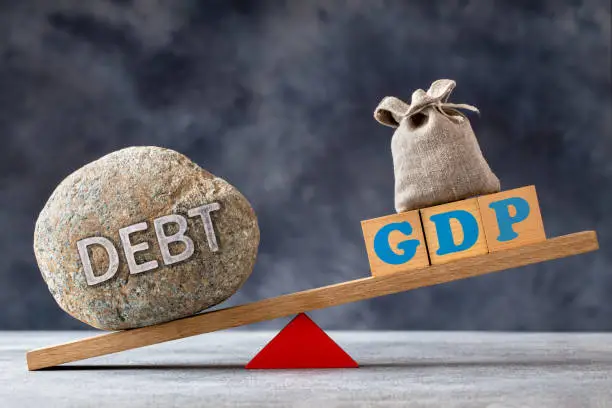
Africa’s debt crisis has become a major obstacle to economic growth and development. Many African nations are trapped in a vicious cycle of borrowing to finance infrastructure, social programs, and economic projects, only to struggle with repayment due to sluggish economies and unfavorable loan conditions. According to the World Bank, Africa’s total external debt stood at over $1 trillion in 2023, with some countries spending more on debt servicing than on health and education combined. The situation raises a critical question: how can Africa break free from the burden of unsustainable debt and chart a path toward economic sovereignty?
- The Rising Debt Burden: How Did We Get Here?
Africa’s debt crisis is not a recent phenomenon. The structural adjustment programs of the 1980s and 1990s, imposed by the International Monetary Fund (IMF) and World Bank, pushed many countries to privatize state assets and cut public spending. However, instead of economic stability, these measures often led to stagnation and further borrowing. In the past decade, China has become a major lender to Africa, financing infrastructure projects under its Belt and Road Initiative (BRI). While these loans have contributed to development, they have also led to concerns about debt-trap diplomacy, where some nations struggle to meet repayment terms.
Furthermore, commercial loans from Eurobond markets have added another layer of financial pressure. Countries like Zambia and Ghana have defaulted on their debt, highlighting the growing risk of unsustainable borrowing. Without urgent reforms, many other African nations could face similar challenges.
- The Impact of Debt on Economic Growth
“A man who carries a heavy load cannot walk fast.” — African Proverb
The consequences of Africa’s debt crisis are far-reaching. Many governments spend more on debt repayment than on essential services like education, healthcare, and infrastructure. According to Moody’s Investors Service, debt servicing costs in some African nations exceed 50% of total government revenue. This leaves little room for investment in development, trapping countries in a cycle of dependency.
Additionally, heavy debt burdens discourage foreign investment. Investors are reluctant to engage with economies that face high default risks. This further limits economic growth and job creation, exacerbating poverty and inequality.
- Finding a Sustainable Path Forward
Despite the challenges, Africa has options to reduce its debt burden and regain economic independence. Some key strategies include:
- a) Strengthening Domestic Revenue Generation
African nations must diversify their economies and improve tax collection. According to the African Development Bank (AfDB), tax revenues in Africa remain low, averaging 16% of GDP, compared to over 30% in developed economies. Reducing tax evasion, eliminating illicit financial flows, and expanding the tax base can provide governments with more revenue, reducing the need for external borrowing.
- b) Renegotiating and Restructuring Debt
Many African countries have called for debt restructuring and relief programs. The G20 Common Framework for Debt Treatments offers some hope, but negotiations have been slow. African leaders must push for fairer repayment terms, extended timelines, and, where possible, partial debt cancellations to ease financial strain.
- c) Prioritizing Productive Loans Over Consumption Loans
Not all debts are bad. Borrowing for infrastructure, industrialization, and economic diversification can yield long-term benefits. However, many African countries borrow for recurrent expenditures rather than for projects that generate revenue. Future borrowing should focus on projects that contribute directly to economic growth.
- d) Strengthening Regional Trade and Intra-Africa Economic Cooperation
Africa remains overly reliant on external trade and financial aid. The African Continental Free Trade Area (AfCFTA) presents a golden opportunity for the continent to increase trade among African nations, create jobs, and reduce dependency on foreign debt. If properly implemented, AfCFTA could boost intra-African trade by over 50% by 2030, reducing reliance on external lenders.
- e) Enhancing Governance and Transparency
Corruption and mismanagement remain significant obstacles to effective debt management. According to Transparency International, Africa loses over $50 billion annually to illicit financial flows. Strengthening anti-corruption measures, enforcing accountability, and ensuring public funds are used efficiently will go a long way in reducing unnecessary borrowing.
In conclusion, Africa’s debt crisis is a ticking time bomb, but it is not an impossible challenge to overcome. With prudent financial management, improved domestic revenue generation, debt restructuring, and regional economic cooperation, the continent can gradually break free from excessive borrowing. As the African proverb reminds us, those who owe debts must dance to the lender’s tune. If Africa wants to regain its financial independence, the time to act is now—before the music stops, and the burden becomes unbearable.
Noah Ajare Esq